
Household Fats, Oils, and Grease
What is FOG?
Fats, oils, and grease (FOG) come from cooking and food preparation. FOG can include:
- Dairy products (like milk, cream, sour cream, butter, and yogurt)
- Shortening
- Lard
- Salad dressings and condiments
- Cooking oils (like olive, vegetable, canola, and deep-frying oil)
- Sauces and gravies
- Meat fats and drippings left over from cooking meals
The City of Windsor's Sewer System
The City of Windsor maintains more than 1,800 kilometres (1,120 miles) of sanitary and stormwater sewer pipes, over 45 pumping stations, and two wastewater treatment plants that treat wastewater and move stormwater safely away from homes and businesses.
The Problem: Sewer Blockages
Sewer blockages can cause serious problems, including:
- Basement and street flooding
- Damaged pipes
- Polluted waterways
- Risks to public health
- Costly repairs
What Causes Sewer Blockages?
One major cause of sewer blockages is the improper disposal of fats, oils, and grease (FOG). When FOG is poured down sinks, drains, or toilets, FOG:
- Cools and hardens inside pipes
- Sticks to pipe walls
- Builds up over time
This can block both home plumbing and the City's sewers.
These problems are made worse when wipes and other personal care products are flushed down the toilet. These items do not break down in water and together with FOG can form large blockages called "fatbergs."
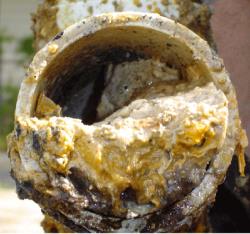
Blocked pipes and sewers can cause sewage to back up into basements, streets, and nearby waterways.
The City of Windsor spends a significant amount of money removing FOG from blocked sewers and on treatment costs at the wastewater treatment plants. These costs are paid by you, the taxpayer, through the sewer surcharge.
What Can You Do?
The City of Windsor needs everyone to do their part to help protect homes, the environment and the sewer system, and prevent costly excessive repairs and maintenance.
Review the information on this webpage to learn how to properly dispose of household fats, oils, and grease (FOG).
Also, remember that only human sanitary waste and toilet paper should be flushed down the toilet.
How to Properly Dispose of FOG at Home
Tiny amounts (less than 500 millilitres or 17 ounces):
- Wipe up FOG with a paper towel.
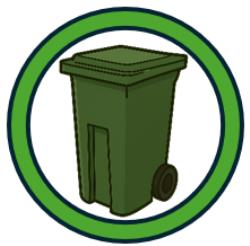
- Put it in the green (organics) bin.
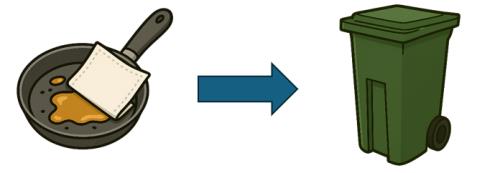
Solidified small amounts (less than 1,000 millilitres or 34 ounces):
- Pour FOG into a compostable paper cup.
- Refrigerate or freeze to harden (solidify).
- Put it in the green bin on collection day.

Liquid or large amounts (more than 1,000 millilitres or 34 ounces):
- Drop it off for free at the Household Chemical Waste Depot located at 3540 North Service Road East, Windsor, Ontario.
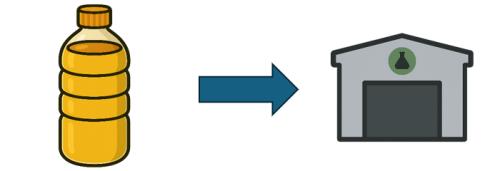
What Kind of Cup?
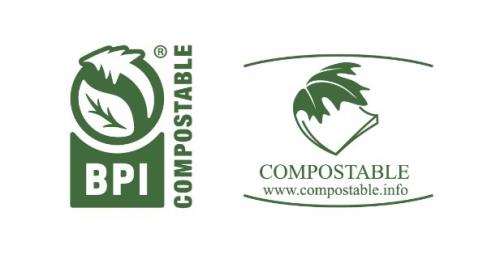
Any certified compostable paper cup is acceptable to store FOG and to put in the green bin. Look for the following logos when choosing a certified compostable paper cup.
FOG Dos
- Do wipe FOG from dishes before washing.
- Do scrape food into the green bin.
- Do use a sink strainer to catch food scraps.
- Do tell family and neighbours about the problems with FOG in the sewer.
FOG Don'ts
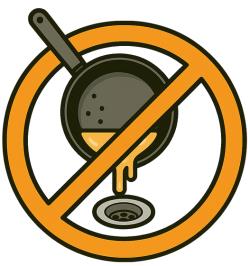
- Don't pour FOG down the sink, drain or toilet.
- Don't drain meat drippings or gravy in the sink or toilet.
- Don't rinse FOG down the drain with hot water.
Restaurant Grease
Restaurant or food business owner? Click Disposal of Restaurant Grease to learn more about your requirements and best practices for the proper management of cooking fats, oils, and grease.
Learn More About Where Water Goes
Have you ever wondered what happens to water and other substances when they are put down the drain or toilet? It shouldn't be a mystery.
Check out this video, Waste Water: Where Does it Go? - Lou Romano Water Reclamation Plant (YouTube) that follows the flow of wastewater and stormwater from a home to one of two places: the wastewater treatment plant or the Detroit River.
Questions?
For general information, contact 311.
For detailed inquiries, contact the Pollution Control Department:
Phone: (519) 253-7217
Email: pollutioncontrol@citywindsor.ca